

When Did Dangerous Driving Start Looking Normal?
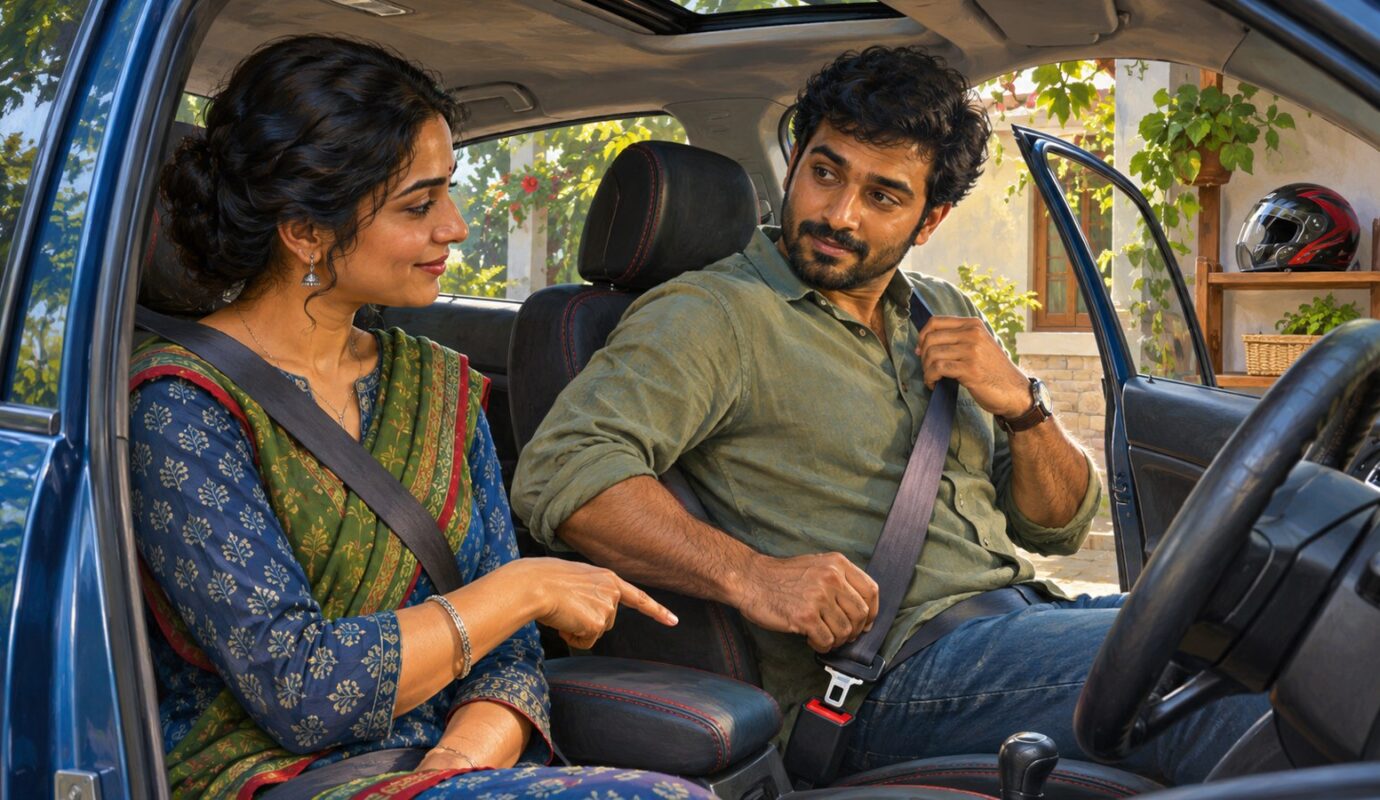
A rider travels without a helmet. A driver checks a message at a junction. Someone dismisses a worried passenger with a smile: “Everybody does it.”
The behaviour is visible, yet the objection feels unusual. That is the point at which a community should ask what it has learned to accept.
Separate Common From Acceptable
Seeing something often tells us that it happens frequently. It does not establish that the action is safe, considerate or lawful.
When an excuse depends on how many other people do the same thing, bring the discussion back to the behaviour itself. What attention, protection or space is being given up? Who else may be affected?
Notice the Language That Ends Concern
“Only this once”, “It is a short trip” and “Nothing ever happens here” can close a conversation before the risk has been considered.
Answer with a practical request rather than a sweeping accusation. Ask for the phone to be put away, the journey to wait until everyone is properly secured or the driver to use a suitable turning point.
Make Safer Behaviour Easier to Repeat
Place the helmet where it will be picked up with the keys. Agree that calls can wait. Allow departure time for checks and restraints instead of treating those steps as optional delays.
Small arrangements matter because people repeat the routines their surroundings support. A household that discusses safety but pressures a driver to rush is giving conflicting instructions.
Let People Change Without Humiliation
Someone who has defended a habit may hesitate to abandon it if every correction becomes a public joke. Make room for a straightforward change of mind.
Thank a person for responding to a reminder. Avoid replaying their earlier mistake in front of others. The useful result is a safer practice that continues after the conversation ends.
Look Beyond Individual Habits
A confusing layout or an inaccessible crossing also deserves attention. People may face poor choices because the street has been badly designed or maintained.
Report specific barriers and ask responsible authorities for a review. Supporting personal responsibility does not require pretending that infrastructure and enforcement are irrelevant.
Choose the Normal You Want to Pass On
Think about what a newcomer would learn by watching your family, workplace or neighbourhood. Would they see safety checks respected, or repeatedly negotiated away?
Begin with one recurring situation and agree what the safer routine will be. Review it after a week of real journeys rather than stopping at a pledge.
A culture changes through what people do repeatedly and what they allow to pass without question. We can make care ordinary with the same persistence that once made carelessness familiar.
About the Book: HarGhar Se EkSainik
HarGhar Se EkSainik, written by Syed Abdul Hakeem and published by Hetch Foundation, examines the relationship between everyday road behaviour, human life and shared responsibility. Lesson 1 examines the danger hidden inside behaviour that has become too familiar to attract concern. This article develops a theme from its opening lesson, “The Road We Share”, in original wording. The book invites readers to carry awareness into their homes, habits and daily journeys.
Explore Hetch Foundation’s HarGhar Se EkSainik initiative to learn more about the movement behind the book.