

A Near Miss Deserves More Than a Sigh of Relief
The brake is released. The other vehicle moves on. Nobody appears to be hurt, and the journey resumes with a nervous laugh or a brief argument.
It is understandable to feel relieved after a near miss. It is also useful to ask what made the moment so close. An incident without a collision can still reveal something worth changing.
Get Safely Out of the Situation First
Do not begin a heated discussion while the vehicle is moving. Concentrate on the road and, if necessary, stop at a suitable lawful place before continuing the conversation.
If there has been contact, injury or damage, follow the appropriate emergency and reporting procedures. Calling something a near miss should not become a way of dismissing consequences that actually occurred.
Describe What Happened Before Explaining Why
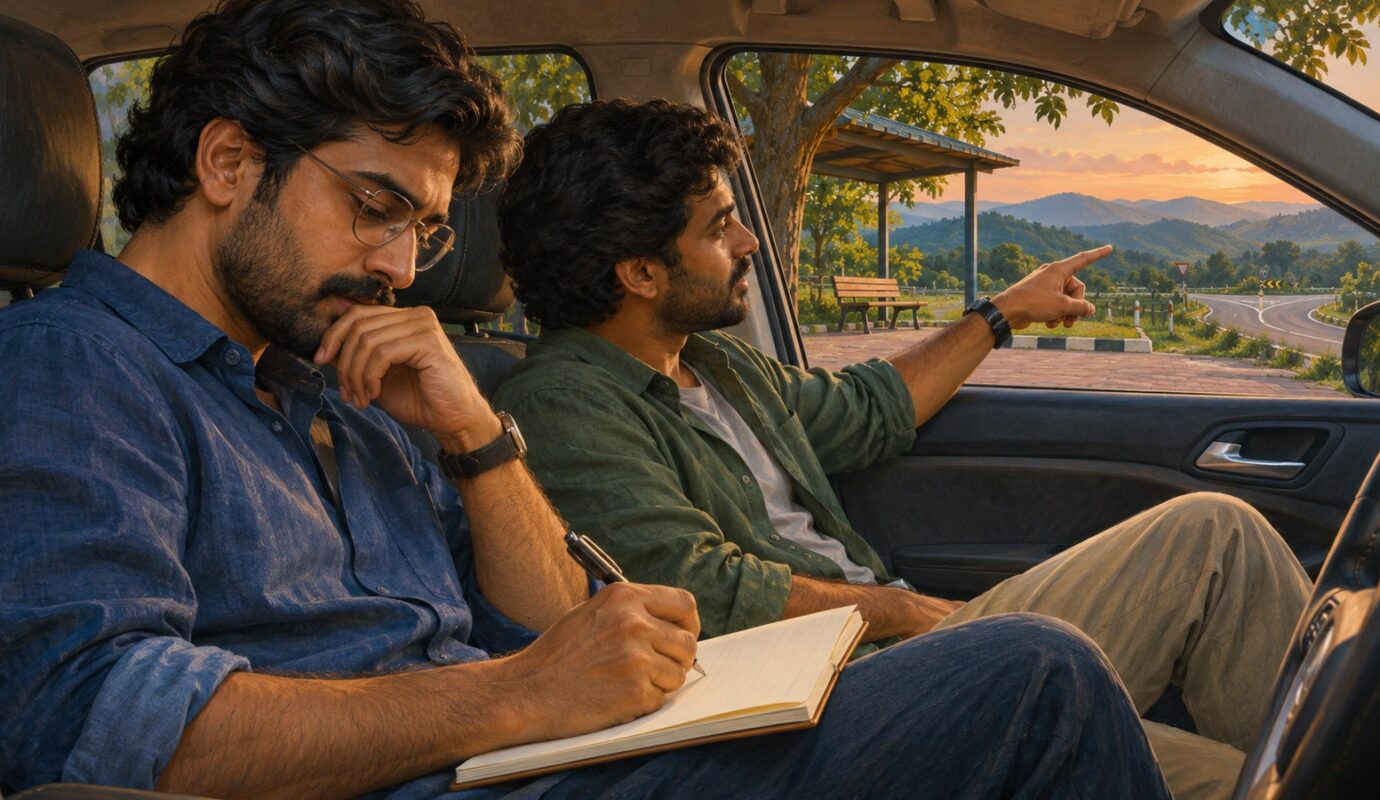
Write a short account once you are safely stopped: the location, the direction of travel, the movement you observed and the point at which the conflict became apparent.
Separate observation from assumption. “The vehicle moved into my lane” is different from “The driver wanted to frighten me”. You may know the movement without knowing the intention behind it.
Ask What Reduced Your Options
Was visibility limited? Were you too close to another vehicle? Did a late instruction create pressure to turn? Was a crossing obscured?
Look at the sequence rather than searching only for one dramatic moment. A difficult outcome can be approached through several earlier decisions, some within your control and others requiring attention from authorities or operators.
Listen to Other Perspectives
A passenger may have noticed a warning you missed. A pedestrian may have experienced the same event very differently from someone inside a vehicle.
Invite feedback without asking people to prove your account correct. Where accounts conflict, acknowledge uncertainty. A useful review does not need a confident story about every detail.
Choose One Specific Change
Replace “be careful” with something you can practise: prepare directions before moving, leave more space, approach an obscured junction more cautiously or choose a less confusing route.
If the location presents a recurring hazard, submit a factual report through the responsible authority’s channel. Take any supporting photographs from a safe place and avoid exposing private details unnecessarily.
Check Whether the Change Lasts
Return to the lesson before the next comparable journey. Did your new routine make it easier to notice the problem and respond without rushing?
Avoid retelling the incident as entertainment that celebrates an escape. The strongest outcome is a quieter future journey in which the same conflict does not arise.
Relief tells us that an immediate danger has passed. Reflection helps decide whether we have learned anything from it.
About the Book: HarGhar Se EkSainik
HarGhar Se EkSainik, written by Syed Abdul Hakeem and published by Hetch Foundation, examines the relationship between everyday road behaviour, human life and shared responsibility. The first lesson questions how safe outcomes can hide risky choices and the adjustments made by other road users. This article develops a theme from its opening lesson, “The Road We Share”, in original wording. The book invites readers to carry awareness into their homes, habits and daily journeys.
Explore Hetch Foundation’s HarGhar Se EkSainik initiative to learn more about the movement behind the book.