

How to Speak Up as a Passenger Without Starting an Argument
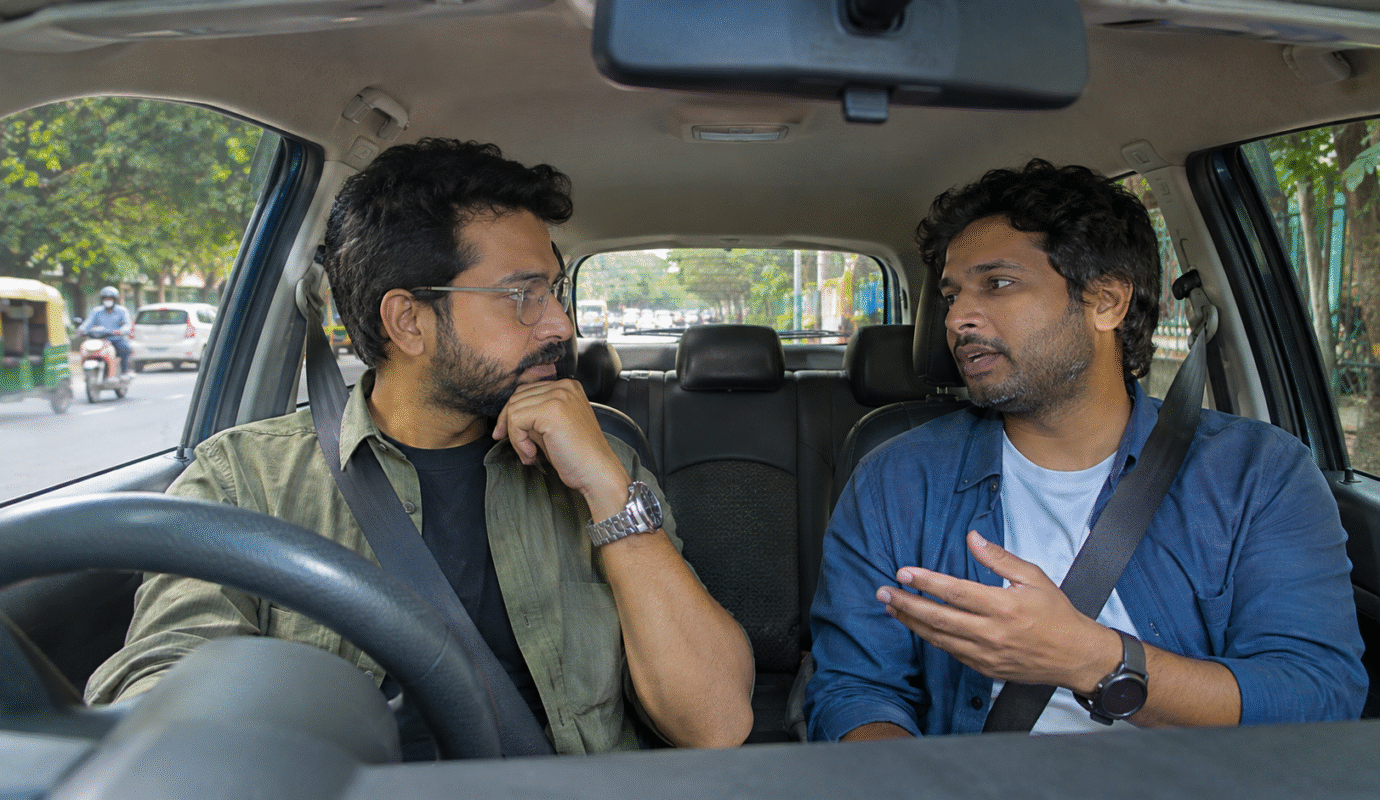
You notice the driver reaching for a phone. You want to say something, but you worry about sounding difficult. Remaining quiet can feel easier, especially when the driver is a friend or an older relative.
Chapter Six’s call to responsibility includes the passenger’s voice. A clear request can bring attention back to the journey without turning the moment into a contest.
Ask for one immediate action
Use a short sentence: “Please put the phone away; we can stop somewhere safe if you need it.” Avoid a long argument while the vehicle is moving. The immediate aim is to reduce the distraction, not win a debate about character.
Offer help that does not add distraction
Before departure, agree who will manage navigation or tell people you are delayed. A passenger can handle a message when appropriate, while the driver remains focused. Do not hold a screen up for the driver or create a new conversation demanding their attention.
Discuss recurring concerns while parked
Choose a calm time to explain what made you uncomfortable and agree on a plan for future trips. The THINK! Mates campaign illustrates the value of friends looking out for one another around drink-driving decisions.
Keep your own boundary clear
If a journey feels unsafe, ask to stop at a suitable safe place and consider another way to travel. Avoid sudden interference with vehicle controls or a confrontation that escalates danger. Before your next shared trip, make it normal to say that either person can raise a safety concern.
About the book
This original reflection by Oliver Bennett is inspired by Chapter 6, “The Mirror We Avoid — From Blame to Responsibility,” printed pages 66–84 of HarGhar Se EkSainik by Syed Abdul Hakeem, presented by Hetch Foundation. It independently develops the chapter’s invitation to examine our own conduct and the everyday influence we have on others, alongside the continuing responsibility of public institutions. Explore the book’s wider call to protect life through ordinary actions.