

Support the Family Without Turning Their Pain Into Content
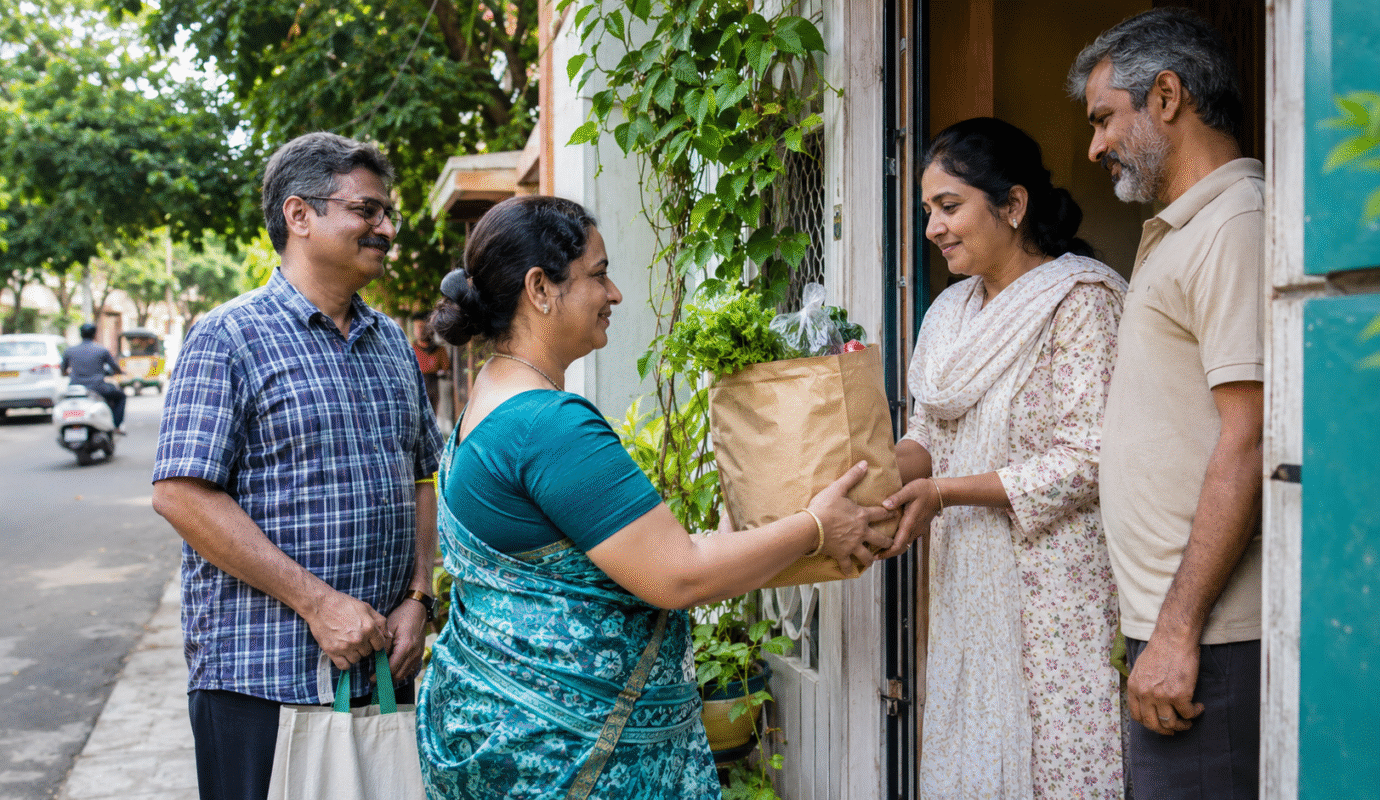
When a family is affected by a road tragedy, public attention can arrive faster than useful help. Visitors want a statement, someone asks for a photograph and a private moment becomes another item to share.
Chapter Six asks readers to remember the people beyond the headline. Care should make room for the family’s needs rather than our desire to be seen helping.
Ask what support is welcome
Offer a specific, manageable task: bringing a meal, collecting essentials or helping organise appointments if invited. Let the family decline. Do not assume that their circumstances, relationships or wishes are known because a story has circulated.
Keep cameras and details out of the offer
Help should not depend on a photograph, interview or public thanks. Do not publish names, medical information, financial details or images of distress without appropriate permission. Even information already circulating does not need another audience.
Avoid making claims on their behalf
Do not repeat unverified accounts of fault, legal proceedings or the family’s feelings. If they want professional assistance, help them find an appropriate service without promising an outcome or acting beyond your competence.
Remember the quieter weeks
Ask whether a later check-in would be welcome and agree how to make contact. Reliable small help can matter after the initial attention has moved elsewhere. Begin with a private, respectful offer and follow through on what you agreed. A person’s grief does not have to become public evidence that a community cares.
About the book
This original reflection by Oliver Bennett is inspired by Chapter 6, “The Mirror We Avoid — From Blame to Responsibility,” printed pages 66–84 of HarGhar Se EkSainik by Syed Abdul Hakeem, presented by Hetch Foundation. It independently develops the chapter’s invitation to examine our own conduct and the everyday influence we have on others, alongside the continuing responsibility of public institutions. Explore the book’s wider call to protect life through ordinary actions.