

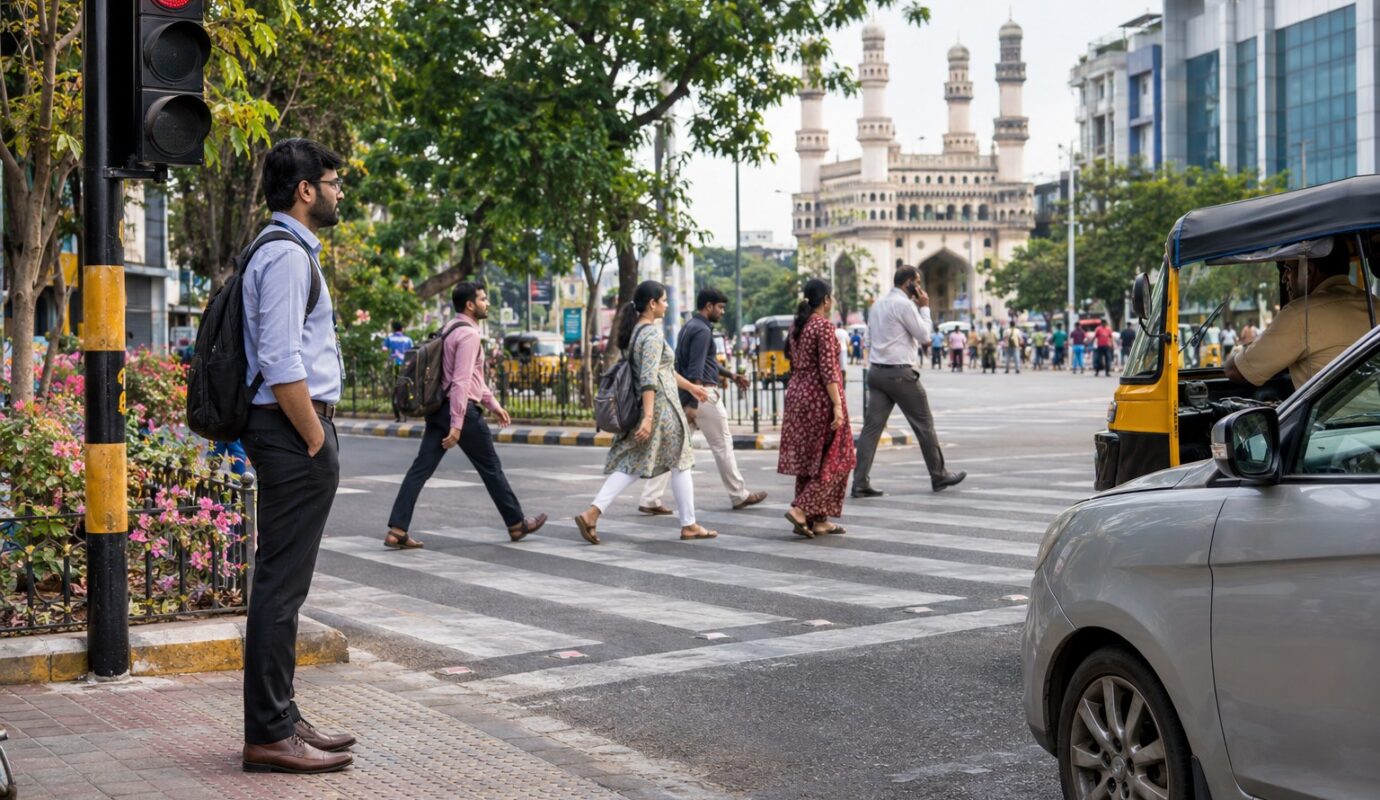
Protecting Life Is an Everyday Form of Service
Service is often imagined as a dramatic act performed by someone in a special role. Chapter 8 offers a quieter picture: an ordinary road user accepting the inconvenience of doing the considerate thing. That service happens in the journey itself.
Look for the cost you are asking others to carry
A rushed manoeuvre can require someone else to brake or step back. An impatient horn can add pressure without solving the delay. A distracted moment gives other people less of your attention than the situation deserves. The protector mindset asks what your convenience is costing the people around you.
Practise the unremarkable act
Allow someone adequate space, wait without intimidation and prepare before setting off. These choices may attract no recognition, but they express respect for a shared space. Service does not require a uniform or a claim to moral superiority. It requires accepting that other people’s journeys matter alongside your own.
A practical way to begin
- Notice one place where impatience affects your conduct.
- Allow enough time for a considerate response.
- Choose predictability over gestures that surprise others.
- Let the action remain useful even if nobody thanks you.
Consideration should operate within safe, lawful and predictable road use. Do not improvise risky gestures to prove kindness. The most useful form of everyday service is often to make your own behaviour easier for others to understand and less demanding for them to manage.
Read the series introduction: One Protector in Every Home: What HarGhar Se EkSainik Means.
About the book
This original article is inspired by Chapter 8, “What Harghar Se Eksainik Really Means,” in HarGhar Se EkSainik by Syed Abdul Hakeem, Chairman of Hetch Foundation. The chapter explores how personal road responsibility can grow through the home and into the wider community. Learn more through Hetch Foundation.