

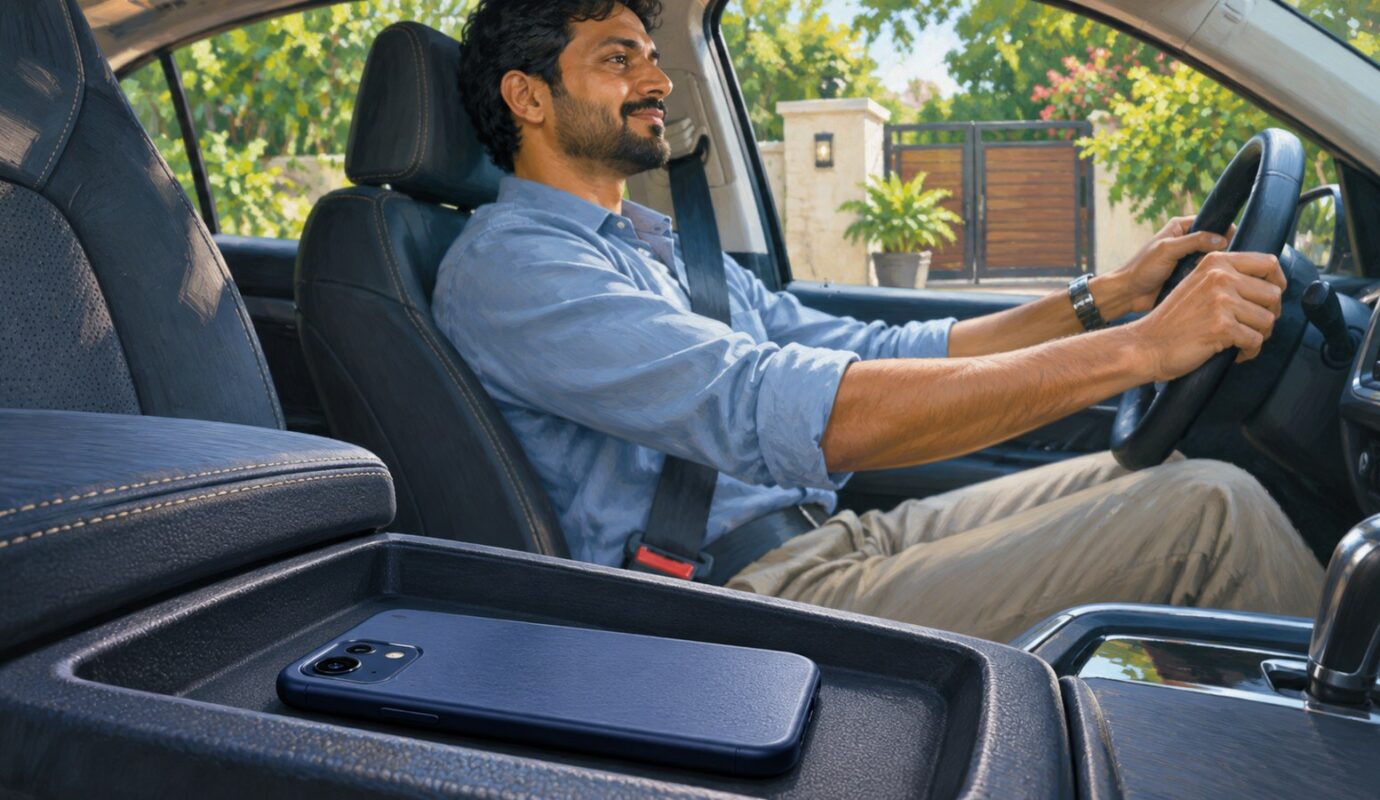
That Important Call Can Wait for a Safe Stop
The phone rings. You recognise the name and think the conversation will take only a moment. The road is familiar, so answering feels manageable.
Before judging the call’s importance, ask a different question: is this the right time to give another task your attention? A moving vehicle is already a responsibility that extends beyond the person driving it.
Decide Before the Ring
Make a plan before setting off. Set navigation, arrange any necessary communication and use an appropriate do-not-disturb setting. Place the phone where you will not be tempted to handle it.
If you need to respond, stop in a safe, permitted place first. A red signal or a slow queue should not be treated as a convenient break for checking messages.
Do Not Confuse Hands-Free With Attention-Free
The WHO road traffic injuries guidance identifies mobile-phone distraction as a road safety concern and warns that hands-free use is not much safer than holding a phone.
A device may change how a call is operated without removing the mental task of having the conversation. The practical aim is to keep attention available for the journey.
Give Passengers a Clear Role
A passenger can read directions or let a caller know the driver will respond later. Agree this before the journey so the arrangement does not create a new distraction.
Do not hold a screen in front of the driver or expect them to review a message while moving. If the information requires their decision, wait until the vehicle is safely stopped.
Make Delayed Replies Acceptable
Families can agree that an unanswered call during a journey is not a sign of disregard. Send necessary information in advance and allow the person to respond when safely available.
If a driver tells you they are moving, keep the response simple and end the call. Avoid asking them to “just quickly” check a detail before hanging up.
Employers Should Support the Boundary
A workplace that expects instant replies from travelling staff can undermine its own safety message. Agree realistic communication arrangements and distinguish arrival updates from demands for continuous availability.
Schedules, delivery pressure and performance expectations deserve review when they repeatedly place drivers in a conflict between responding to work and concentrating on traffic.
Review the Habit, Not the Excuse
Notice what usually triggers phone use: boredom in traffic, anxiety about missing work or the expectation of an immediate family reply. Address that trigger in the plan for the next journey.
Ask others to respect the boundary and practise it consistently yourself. A phone-free trip becomes easier when the people waiting for your answer understand the reason.
An important conversation deserves attention. So do the people sharing the road while you travel. Give each its proper time.
About the Book: HarGhar Se EkSainik
HarGhar Se EkSainik, written by Syed Abdul Hakeem and published by Hetch Foundation, examines the relationship between everyday road behaviour, human life and shared responsibility. Lesson 1 includes the everyday decision to answer a call as an example of attention being diverted from a shared road. This article develops a theme from its opening lesson, “The Road We Share”, in original wording. The book invites readers to carry awareness into their homes, habits and daily journeys.
Explore Hetch Foundation’s HarGhar Se EkSainik initiative to learn more about the movement behind the book.