

Buying Packaged Water? What You Can Check Before Opening It
At a station, a roadside shop or a function, you may buy a bottle of water in seconds. The seller may already be reaching for the next customer before you have looked at the bottle. That is exactly when a short routine helps. Recent reporting on India’s packaged drinking water surveillance has put attention on what is inside the bottle. As a buyer, you can check its packaging, traceability and handling before opening it. The checks take little time and help you decide when it makes sense to ask for a replacement or raise a concern.
Start with the closure
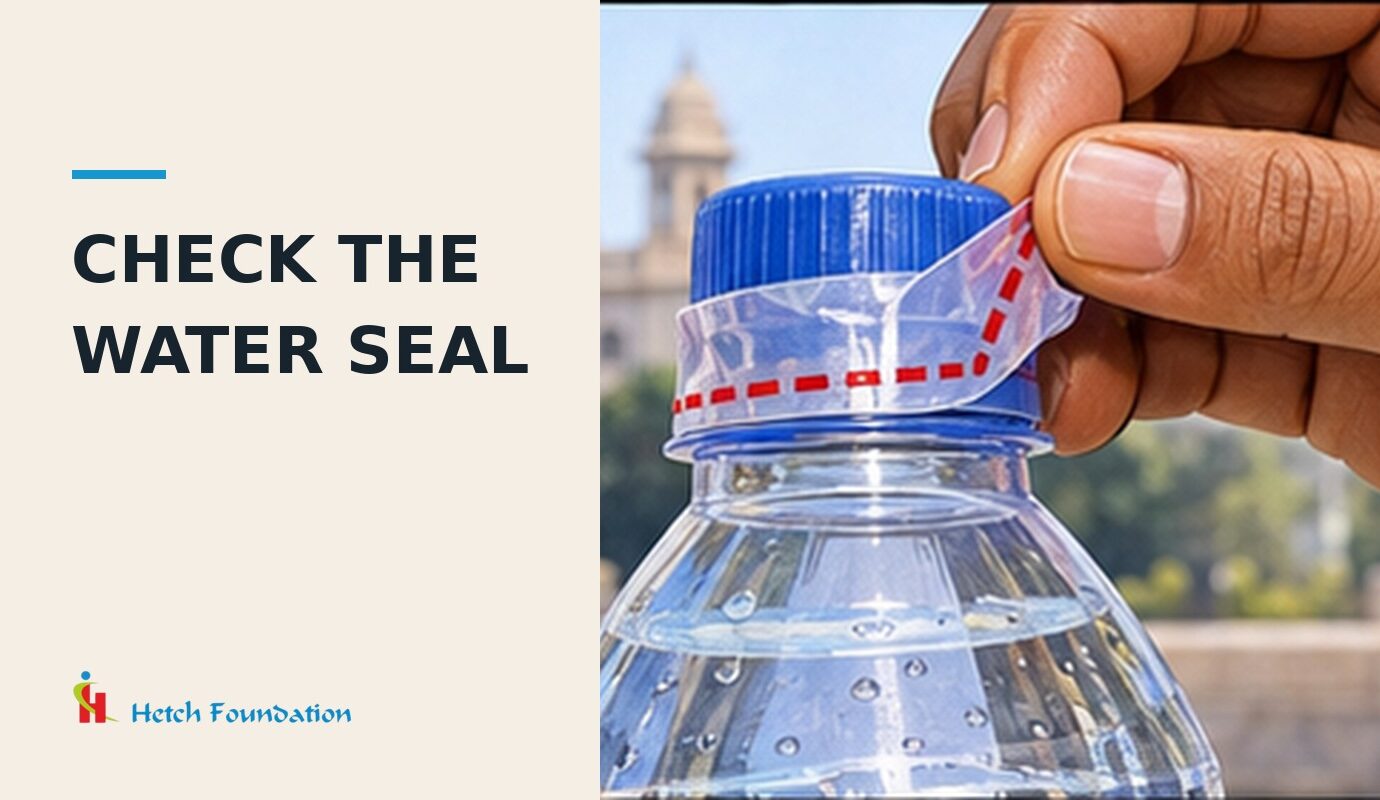
Look at the top of the bottle before you twist anything. Inspect the cap and any tamper-evident ring, sleeve or other closure used by the maker. Look for a cap sitting crooked, a ring already separated before opening, a torn closure, wetness around the neck or damage that suggests the package has leaked. Closures vary between products, so compare the bottle with another unopened bottle of the same product if you are unsure. You can ask the seller to exchange it before opening.
Make the same check for larger containers. A jar delivered to an office, sports ground or community kitchen should arrive with its closure intact and in a condition you can inspect before accepting delivery. Ask the supplier to explain how to recognise the sealed closure they use. If staff routinely open jars before they reach the person receiving a delivery, agree on a clear handover so the buyer can inspect the container while it is still sealed.
Read the label for details you can refer back to
Check the product name, the stated manufacturer or packer, the batch or lot code and the date information. Look for the FSSAI licence number and a contact you can use if you need to raise an issue. The print should be legible enough to record. If the label is torn or the information is missing or unreadable, you can choose a bottle with details you can verify. A recognisable brand or a familiar label colour is only part of identifying the package in front of you.
Keep the bottle and the purchase together in your mind. If you are travelling, note the outlet and location or keep the receipt. When you order online, the order record may identify the seller and delivery time. If you buy several bottles together, look at more than one. A batch number or date can differ between bottles purchased at the same time. When raising an issue, record what is on the specific bottle you are concerned about.
Check the bottle and how the shop stores it
Take a moment to look at the body, neck and base. Punctures, cracks, leakage or visible material inside a sealed bottle are reasons to set it aside. Notice whether bottles are kept away from obvious dirt, spills and damage. Where stock is stacked around cleaning products, fuel or other chemicals, ask for water from stock kept appropriately. Avoid opening the bottle for a taste test if you already have a reason to doubt the packaging or the contents.
These checks have limits. Clear water and an intact cap give you information about the appearance and condition of the package. Questions about contaminants or microbiological quality require appropriate testing. Smell, taste and a phone photograph cannot establish that a bottle meets a safety standard. Official sampling and testing are important for evaluating concerns that a buyer cannot see, including when packaging looks ordinary.
Raise a concern while the details are easy to recover
If you can, photograph the whole package, the affected part and the batch and date information. Keep the receipt or order record and note where and when you bought it. If you notice the problem before opening, keep the package unopened where practical and follow any handling instructions from the seller or authority. Put the bottle aside so nobody drinks it inadvertently. Explain exactly what you observed. For example, you can say the cap ring was separated before you touched it, or that the unopened bottle leaked when held upright.
Start with the retailer or manufacturer when you want a replacement or an explanation. In India, the Food Safety and Standards Authority of India operates Food Safety Connect for consumer food safety complaints. Use its official channel if you wish to report a concern. If somebody feels unwell after drinking the water, seek medical advice as appropriate and tell the clinician what happened. Keep any relevant details available for follow-up, and be careful about sharing personal medical information publicly.
A useful habit when buying for other people
When taking bottled water to a gathering, keep a record of the seller, purchase and receiving person. Ask the person who puts the bottles out to check for damaged packages before they circulate. If one package is questionable, set it aside, record its details and review the rest of the delivery before serving it. Keeping the purchase receipt and a clear photo of a batch code is easier when the boxes arrive than when a guest calls later from home.
At your next purchase, try this sequence: check the closure, read the batch and date, and look at the condition of the bottle. If any of the three gives you a reason to pause, ask for another bottle before opening it. Teach the same sequence to somebody who buys for your household or workplace. It makes the check repeatable even when the shop is busy.
Frequently asked questions
Can I tell whether a sealed bottle is safe by holding it up to the light?
You can inspect the package and spot some visible problems. Assessing chemical or microbiological safety requires appropriate testing. If you see damage, leakage or unexpected material, set the bottle aside and record the details.
What if the date or batch is hard to read?
Choose another bottle with clear details if possible. When reporting an issue, photograph the label and any code you can see, along with the purchase information. Mention which details were unreadable.
Do I need a receipt to start documenting a concern?
Keep any receipt or order record you have. If it is missing, note the seller, location and approximate purchase time, and keep pictures of the package and its markings. Ask the official complaint channel what it requires.