

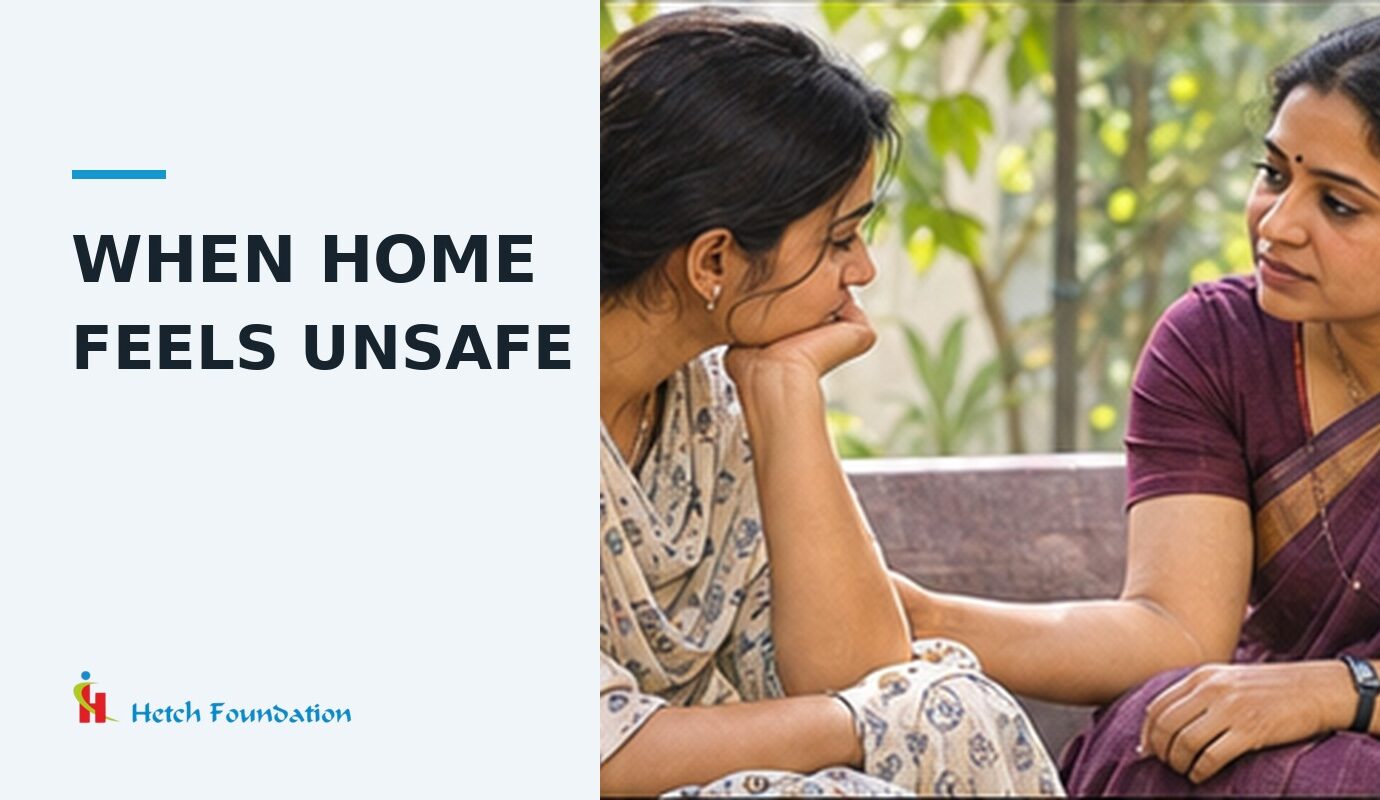
When a Friend Says Home Doesn’t Feel Safe
A friend says something quietly as you are both leaving work. They do not feel safe going home tonight. You do not know what has happened or whether they can safely talk where you are standing. You want to say something useful, and you are worried that the wrong words might make them pull away. Start by making room for a private conversation and asking what would help in the next few minutes. A person who has had little control over what happens at home may find it especially valuable to have a choice about the next step.
Find a way to talk safely
Ask whether this is a safe place and time to talk. They may prefer to take a walk, speak in a private room or say only what they need to say now. If you are exchanging messages, ask whether it is safe to send a reply and what wording they would prefer. A shared phone, visible notification or family account could expose a conversation they wanted to keep private. Use a method they are comfortable with, and give them space to say they would rather speak later.
Let the person tell you what feels important. You can answer with simple sentences such as, “I’m glad you told me,” “I’m listening,” or “What would help right now?” Give them time to finish. If you find yourself looking for enough facts to decide whether the situation is serious, ask instead whether they feel safe now and what they want help with. They can ask for support without giving you a full history or showing you evidence.
Ask about tonight before trying to solve everything
Find out whether there is an immediate threat, a serious injury or another urgent concern. If there is immediate danger, call India’s emergency number, 112, when it is safe to do so. If you are speaking remotely, clarify their location before requesting emergency help and tell responders what you actually know. If somebody needs medical care, help them reach appropriate services safely. If you are present, avoid approaching or confronting someone who may increase the danger.
When there is time to choose, ask one practical question at a time. Is there somewhere they can safely be for the next hour? Is there a trusted person they want to contact? Would they like help finding local support or making a call? If they need a quiet place to make arrangements, offer one if you can. If your own home or car is not a safe or suitable option, be straightforward about what you can offer and help them identify another safe route to support.
Offer options while keeping control with your friend
India’s Women Helpline, 181, can connect women seeking information and support with relevant services, including One Stop Centres. Ask whether your friend would like to look up options or make a call from a safe phone. Let them choose whether they want you present. You can help collect practical details such as where a local service is, when it can receive visitors and what sort of support it can discuss. If the local route is unclear, verify it through an official service.
Be careful about promises you cannot keep. If you can accompany them to a local service tomorrow, say where and when you can meet. If you can only remain on the phone for part of the evening, agree on a backup. Avoid contacting relatives, colleagues or the person they fear without discussing what this might mean for their safety. If a child or another person may be at immediate risk, seek prompt guidance from the appropriate emergency or local protection service and be clear with your friend about what you are doing where it is safe to do so.
Agree on follow-up that does not expose the conversation
Ask who should make the next contact and when. Some people want a short ordinary message at a certain time. Others prefer to reach out themselves or use a different contact. If you agree to a check-in, also discuss what you should do if there is no reply. Avoid treating every missed call as an emergency, but take new signs of immediate danger seriously. Keep only the details you need and avoid putting private information into a group chat, shared document or public post.
Continue to be a friend in ordinary ways. Invite them to a normal activity if appropriate and give them room to accept or decline. Situations can change, and someone may choose different support after they have had time to think. Your role can be as simple as being one person who listens, keeps an agreed confidence and knows how to help when asked. If you feel out of your depth, a support service can help you understand available options without requiring you to share unnecessary identifying details.
One habit to practise this week
Save the official emergency and support numbers. Practise a first reply you could say naturally: “I’m glad you told me. Is it safe to talk here? What would help right now?” Think of one private place where a friend could make a call if they wanted to. A simple, respectful response is easier to remember when a real conversation catches you by surprise.
Frequently asked questions
Should I insist my friend leave immediately?
If danger is immediate, seek emergency help when safe. In other situations, listen and help your friend explore safe options with a qualified local service. Respect their knowledge of the situation and ask what support they want.
Should I keep screenshots or make notes?
Ask your friend what they want and who can safely access the information. Keep private records out of shared devices and groups. A local support service can give guidance about preserving information safely when needed.
What if they are not ready to contact a service?
Ask whether they want you to remain available and how to reach out safely. You can help them find official information without pressing them to decide at that moment.