

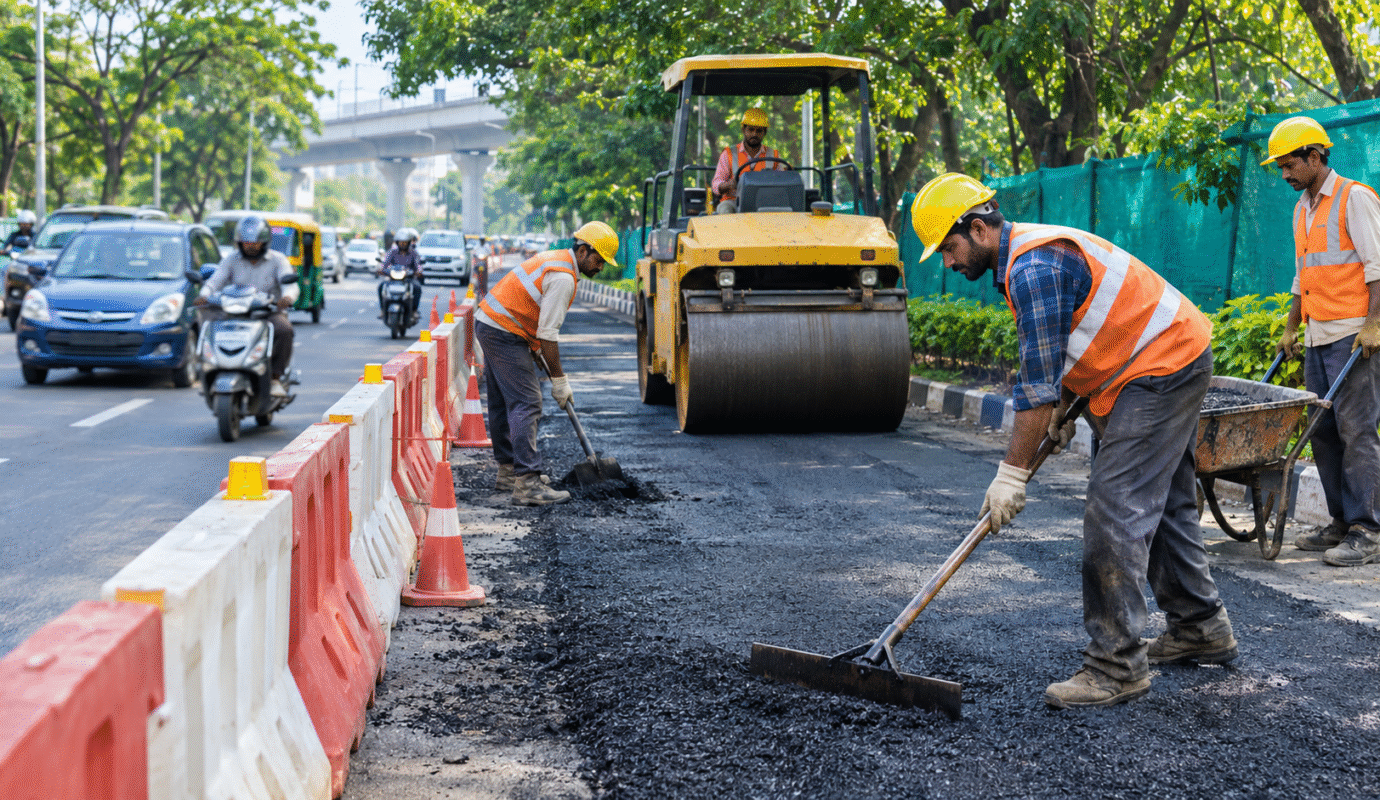
Road Maintenance Is a Safety Responsibility That Continues After Opening
A new road makes a strong impression. Its longer test comes through rain, wear, utility work and daily traffic. Chapter 5 argues that planning, building and maintenance must stay connected to provide a dependable route.
Plan for change
Surfaces, drainage, markings and barriers need inspection and upkeep. Identify who checks them, how concerns are prioritised and what happens when a defect creates an immediate hazard.
A posted limit does not guarantee clear conditions ahead or a suitable speed in every situation. Drivers must adapt while authorities retain responsibility for infrastructure they manage.
Connect reports to responses
Record location, assess risk and assign action. Where permanent repairs take time, competent teams may need temporary protection. A complaint marked received is an early step, not evidence that danger has ended.
Public updates should explain what was inspected and what remains. Avoid completion promises without a sound basis.
Keep residents out of danger
Report from a safe place. Do not stop in a live lane for a photograph or put improvised objects in traffic. Use the responsible authority’s route and appropriate emergency assistance for immediate danger.
Community groups can identify recurring conditions without accusing individual workers of matters they may not control.
Review the continuing service
Include the period after opening in project reviews. Were defects found, protected and repaired? Infrastructure serves people over time, so its safety needs continuing attention throughout its use.
About the book
This original reflection by Oliver Bennett is inspired by Chapter 5, “The Pressures That Push Us — Deadlines, Survival, and the Weight Beneath Every Choice,” printed pages 51–64 of HarGhar Se EkSainik by Syed Abdul Hakeem, presented by Hetch Foundation. It independently develops the chapter’s argument that personal responsibility and safer public and working systems must stand together. Explore the book’s wider call to protect ordinary lives in everyday movement.